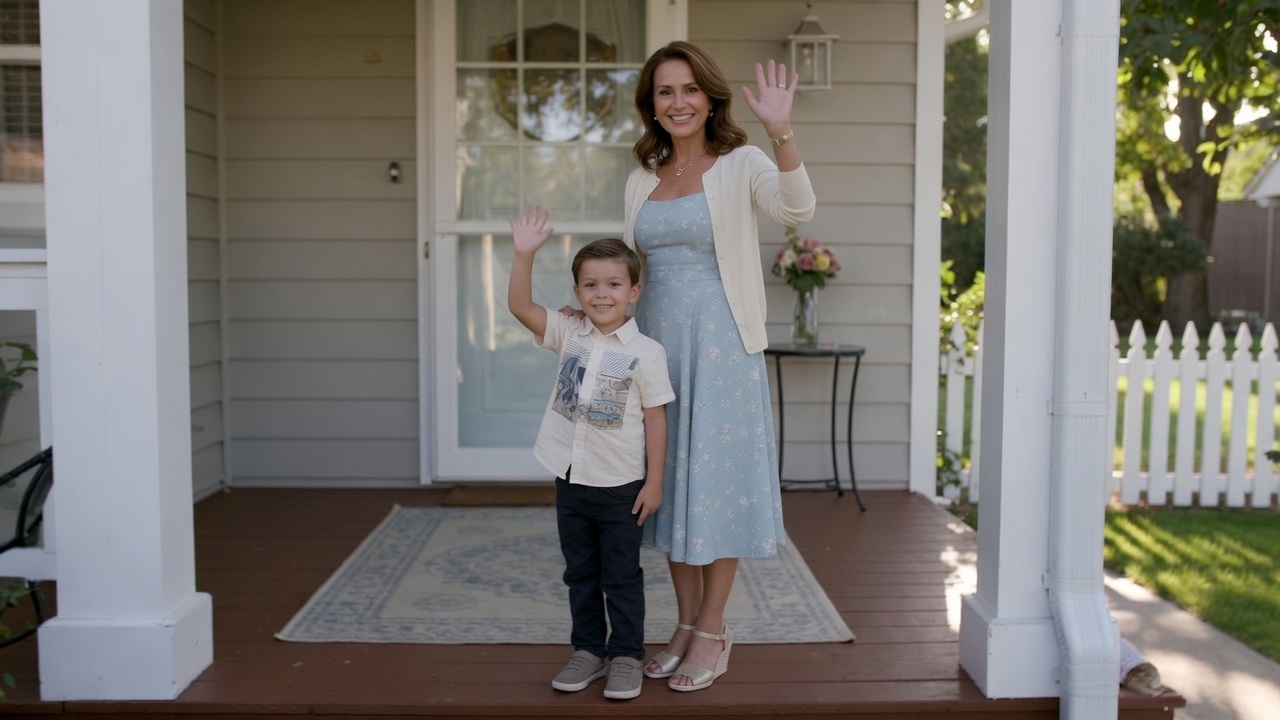
The gray sky over Spokane, Washington, seemed to press down on the small house as five-year-old Glenn stood on the porch. The year was 2000, and the world felt entirely too large and unpredictable. Beside him stood his grandmother, Amanda, her hand resting gently on his small shoulder. They were watching a faded blue sedan pull out of the driveway, carrying his mother, Dana, toward a new life in the US Army. The taillights blurred in the damp morning air, leaving behind a profound silence that settled heavily over the boy.
Dana had hugged him tightly just moments before, her uniform stiff and unfamiliar against his cheek. She had whispered promises of letters and visits, her voice tight with unshed tears. The struggle of raising a child alone had taken its toll, and the military offered a stability she desperately needed. Yet, as the car disappeared around the corner, Glenn felt an ache that went deeper than just missing his mother. It was the ache of a fractured family, a puzzle missing too many pieces.
Inside the house, Amanda moved with a quiet grace, her presence a steady anchor in the swirling sea of Glenn’s emotions. She didn’t rush him to come inside, understanding that some goodbyes take longer to process. Amanda was a woman who had seen much of life, her years managing and eventually owning a women’s clothing store having taught her patience and empathy. She knew her grandson was carrying burdens far too heavy for a five-year-old.
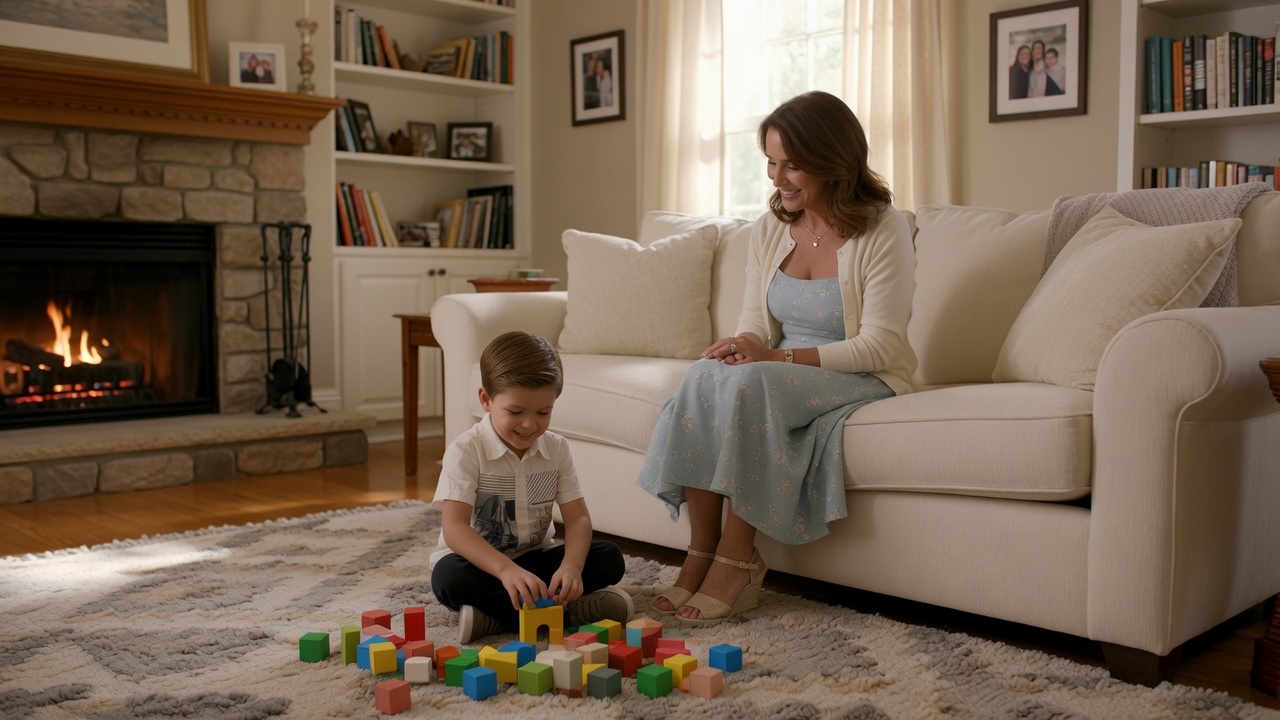
Later that evening, as Glenn sat on his new bed, surrounded by boxes of his toys, the silence of the house amplified his internal thoughts. He thought of his father, Frank, who had vanished a year ago. The memory of Frank was sharp and often painful, tangled up in the loud, angry voices that used to fill their old apartment. The arguments always seemed to circle back to the same bitter point: Frank’s intense desire for a daughter and his deep disappointment that Dana could not have another child.
Glenn pulled his knees to his chest, the familiar weight of guilt settling over him. In his young mind, the math was simple and devastating. His parents fought because his dad wanted a girl. His dad left because he didn’t get a girl. His mom had to go away because his dad left. Therefore, everything that had gone wrong in his life was his fault. If only he had been born a girl, he reasoned, his father would have stayed, his mother wouldn’t have had to join the Army, and they would still be a family. It was a heavy cross to bear, a secret conviction that shaped the way he viewed himself and the world around him.








Leave a Reply